
A New Long-Distance Walk Through Some of England’s Most Beautiful Landscapes
There is something special about a long-distance walk. It gives you a reason to slow down, to see a landscape properly rather than through a car window, and to discover the small towns, villages and hidden corners that make a place what it is. Now, there is a new reason to pull on your walking boots and explore this part of the country.
The Westmorland and Furness Way (different to the shorter route) officially opened on 15 September 2026, creating a new 120-mile walking route across Cumbria, from Alston in the North Pennines to the historic ruins of Furness Abbey on the Furness Peninsula.
Divided into six sections, the trail brings together an extraordinary variety of landscapes, from open moorland and rolling farmland to the distinctive hills of the Howgills, the shores of Windermere and the coast around Morecambe Bay.

Developed by Westmorland and Furness Council from an original idea by local walker and guidebook writer David Pitt, the route has been designed to celebrate the geography, heritage and communities of this part of northern England. It also offers something that walkers increasingly value: the opportunity to explore beyond the familiar highlights and discover a quieter, more varied side of the region.
For us here at Augill Castle, just outside Kirkby Stephen in the Eden Valley, it is particularly exciting news. The new route puts our special corner of Cumbria firmly on the map for people planning a walking holiday, whether they intend to complete the whole trail or simply spend a few days exploring its most beautiful sections.
A 120-mile journey through changing landscapes
The Westmorland and Furness Way is not a walk defined by one particular landscape. Its appeal lies in the way the scenery changes as you travel south, revealing the different character of Cumbria and the neighbouring landscapes.
Beginning in Alston, one of England’s highest market towns, the first section crosses the open country of the North Pennines National Landscape. This is a landscape of wide skies, exposed moorland, fascinating geological features and reminders of the area’s industrial past.
From there, the trail descends towards the Eden Valley, following riverside paths and crossing the rolling countryside around Appleby-in-Westmorland and Brough. It is a gentler landscape in places, with traditional market towns, stone-built villages, castles and farmland that has shaped local life for generations.
The route then reaches Kirkby Stephen before continuing towards the Howgill Fells and Sedbergh, where walkers can choose between a lower-level route and a more demanding high-level option. Beyond the Dales, the trail heads towards the Lake District, reaching Bowness-on-Windermere before turning south through woodland and the Furness foothills towards Ulverston and its final destination, Furness Abbey.
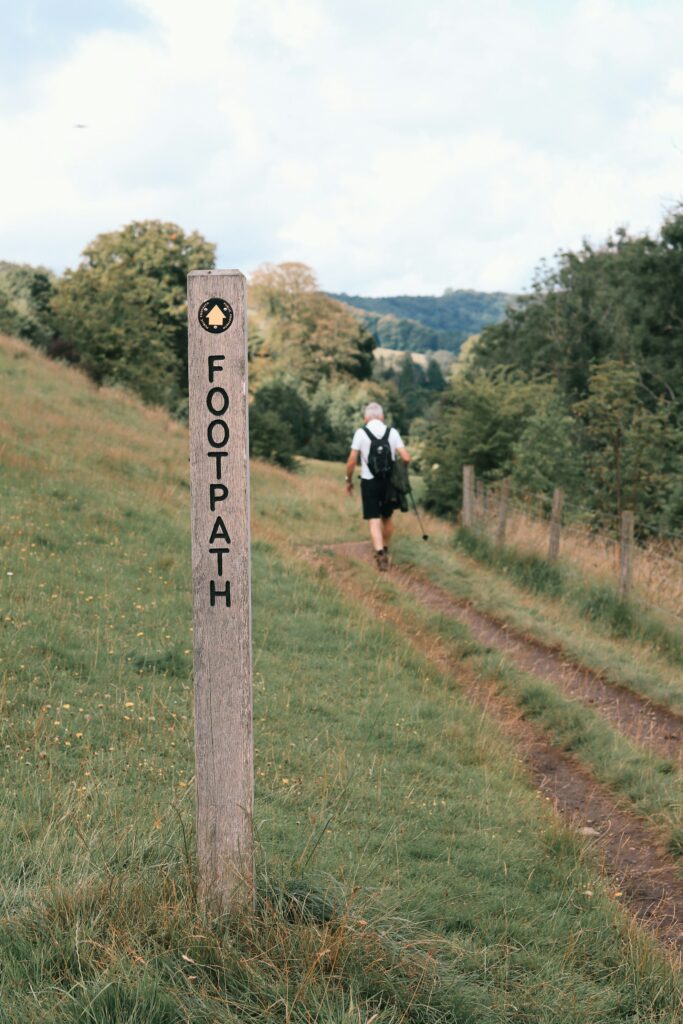
In approximately 120 miles, walkers experience a remarkable cross-section of northern England. It is a route that rewards people who enjoy the journey as much as the destination, with plenty of reasons to stop, explore and look a little closer.
The six sections of the Westmorland and Furness Way
The trail is divided into six main sections, making it possible to walk the entire route over a longer holiday or explore individual stretches over a weekend.
Section 1: Over the Pennines — Alston to Milburn
Approximately 16 miles (26 km), with an estimated walking time of up to two days.
The journey begins in the North Pennines, with open moorland, upland scenery and a sense of space that is characteristic of this part of England. The section includes the route’s highest point, at around 789 metres, with a short, steep detour available to Cross Fell, the highest point in the Pennines.
Section 2: Following the Eden — Milburn to Kirkby Stephen
Approximately 23 miles (37 km), taking up to three days.
This section follows the landscape of the Eden Valley, with riverside paths, countryside and historic settlements. Appleby-in-Westmorland and Brough Castle (20 minute walk from Augill Castle’s front door) are among the local points of interest, while Kirkby Stephen provides a natural place to pause, replenish supplies and enjoy the town’s independent shops, cafés and historic streets.
Section 3: Exploring the Dales and Howgills — Kirkby Stephen to Sedbergh
Approximately 16 miles (26 km) on the low route or 18 miles (29 km) on the high route, taking up to three days.
This is one of the most distinctive stretches of the trail. From Kirkby Stephen, the route passes Smardale Viaduct and the surrounding countryside before reaching the Howgill Fells. Walkers can opt for a lower-level route along the eastern edges of the hills or take the higher route towards The Calf, the highest point of the Howgills at 676 metres. The higher option offers far-reaching views across the surrounding fells and towards the Yorkshire Three Peaks, but requires more effort and careful consideration of the weather.
Section 4: From the Dales to the Lakes — Sedbergh to Bowness-on-Windermere
Approximately 27 miles (43 km), taking up to four days.
The longest of the six main sections, this part of the route moves from the countryside around Sedbergh towards the Lake District. Rivers, valleys, woodland and increasingly familiar Lakeland scenery create a varied journey before the trail reaches Windermere.
Section 5: Through Furness Woodlands and Foothills — Bowness-on-Windermere to Ulverston
Approximately 21 miles (34 km), taking up to three days.
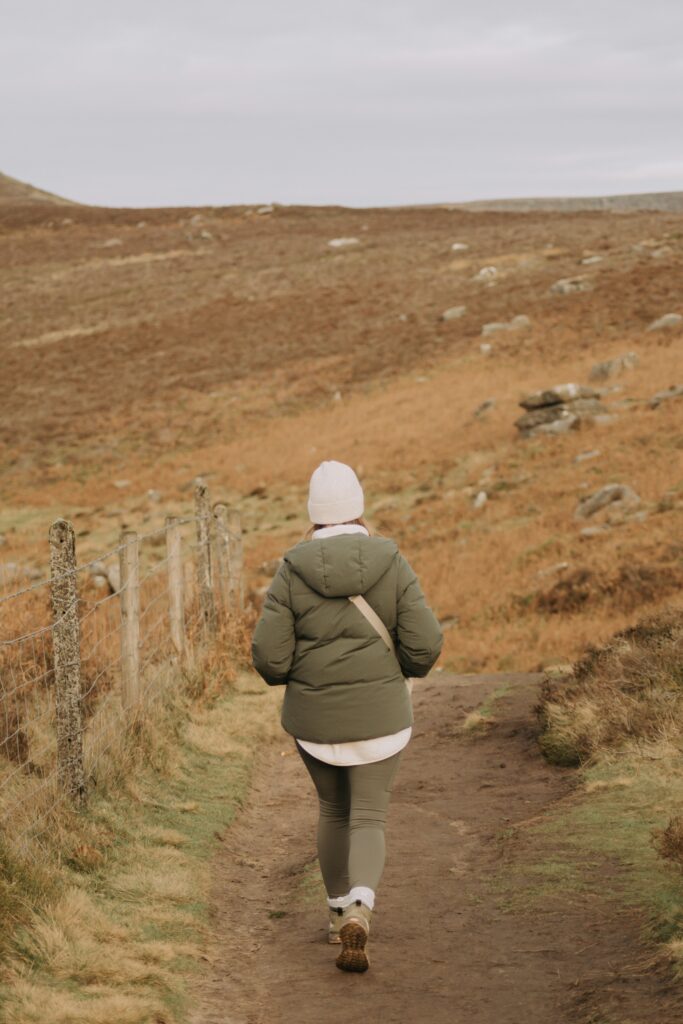
Leaving the busy lakeside behind, walkers head south through woodland and the Furness foothills. The landscape changes again, offering a quieter perspective on the region beyond its best-known tourist destinations.
Section 6: Along the Furness Coast — Ulverston to Furness Abbey
Approximately 17 miles (27 km), taking up to two days.
The final section heads towards the coast and the remarkable remains of Furness Abbey, a medieval monastery founded in the twelfth century. It is a fitting destination for a trail that connects landscape with the history of the communities that have lived and worked here.
Distances and suggested timings are based on the official route information. Actual walking times will depend on fitness, weather, ground conditions and how much time you spend exploring along the way.
Why the Eden Valley deserves a place on your walking itineraryFor many people, the Lake District is the obvious starting point for a walking holiday in Cumbria. It has an extraordinary landscape, but it is only one part of what makes this region so special.
The Eden Valley, near The Lake District, offers a different experience. Here, the countryside opens out into broad valleys and rolling farmland, with the River Eden winding through a landscape of traditional villages, historic market towns and distant fells. The pace can feel quieter, and the pleasures are often found in the details: a stone bridge over a river, a country lane between dry-stone walls, an unexpected view across the fields or a village pub at the end of a walk.
Kirkby Stephen sits at the heart of this walking country. Recognised as a Walkers Are Welcome town, it has long been an important stopping point for people exploring the surrounding countryside. It also offers access to several established routes, including the Coast to Coast, alongside local paths and walks that reward a slower approach.
The arrival of the Westmorland and Furness Way strengthens that role. Kirkby Stephen is not simply somewhere to pass through on the way to the Lakes. It is a destination in its own right, with a rich walking heritage and a landscape that deserves time and attention.
For visitors, this creates the opportunity to build a holiday around the area rather than treating it as a brief stop between better-known destinations.
A new route with benefits beyond the trail
Long-distance walking routes can do more than give people a new challenge. They encourage visitors to travel through smaller communities, spend money with local businesses and discover places they might otherwise overlook.
That is part of the wider ambition behind the Westmorland and Furness Way. By linking existing paths and creating a continuous route through different parts of the county, the trail offers a new way to explore the region while supporting the communities along it.
For walkers, the benefits are just as tangible. The six sections make the route adaptable, allowing people to choose a day walk, plan a weekend away or work towards completing the full distance. The official route information estimates that the entire trail can take between eight and seventeen days, depending on walking pace and how the stages are divided.
It also brings together some of the area’s existing walking networks, connecting established trails and making it easier to plan a longer journey across the landscape.
That variety is important. Not everyone wants to spend every day climbing high fells, and not every walking holiday needs to be a test of endurance. A route that combines challenging upland walking with riverside paths, historic towns and gentler countryside offers something for a wider range of walkers.
It is also a reminder that the places between the famous destinations are often worth discovering in their own right.
Where to stay when walking the Westmorland and Furness Way
One of the most important parts of planning a long-distance walk is deciding where to stay. A good day’s walking is shaped by the landscape, but the experience does not end when you take your boots off.
The route passes through smaller towns and villages where accommodation can be limited, so planning overnight stops in advance is worthwhile. Some sections may also require you to divide the mileage over several days or arrange transport between your accommodation and the trail.
For those exploring the stages around Kirkby Stephen, Augill Castle offers a distinctive place to stay in the Eden Valley, approximately four miles outside the town.
Our nineteenth-century castle is surrounded by open countryside, with the Yorkshire Dales and the Lake District within reach. It is somewhere to return to after a day outdoors, with individually designed rooms, generous beds, breakfast included and the option of dinner. There is room to settle in, enjoy the surroundings and make an evening of it rather than simply finding somewhere to sleep before setting off again.
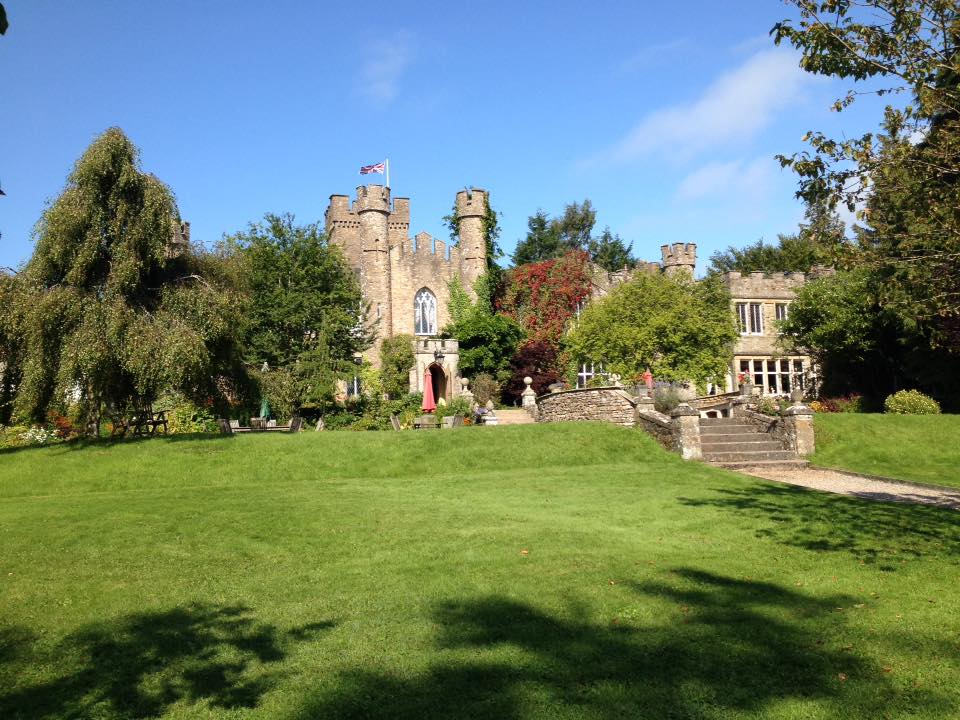
We are not directly on the Westmorland and Furness Way ( a short walk from Brough Castle fixes that!), so walkers should plan their journey between the castle and their chosen section, particularly if they are travelling without a car. Depending on your itinerary, Augill can work well as a base for exploring the area or as part of a longer walking break, with transport arrangements made in advance where necessary.
And, of course, there is no need to be completing 120 miles to enjoy a walking holiday here. You might prefer to explore a section of the new trail, spend a day walking around Kirkby Stephen, visit Smardale Gill Nature Reserve or simply head out into the surrounding countryside before returning to the castle for a comfortable evening.
If you are planning a longer walk, our walkers’ page has more information about walking routes from Augill Castle and the practical touches we offer, including our boots and laundry service and picnic package. You can also explore our rooms and accommodation to find somewhere to stay while discovering this part of Cumbria.
Planning your Westmorland and Furness Way walk: what to know before you set off
The Westmorland and Furness Way is a new route, but much of it follows established public footpaths and existing long-distance trails. New waymarking and improvements have helped connect the sections, although path maintenance and local conditions remain important considerations.
Before setting out, it is worth taking a few practical steps:
- Plan your daily distances. The six headline sections vary considerably in length. Allow extra time for climbs, weather, navigation and stops along the way.
- Choose your route carefully. The Kirkby Stephen to Sedbergh section has both high- and low-level options. The higher route is more demanding and exposed, so check the forecast and conditions before deciding.
- Book accommodation ahead. Some of the smaller settlements have limited places to stay, particularly if you need to split a longer section over several days.
- Check transport connections. Kirkby Stephen is served by the Settle–Carlisle railway, although its station is around two kilometres south of the town. Bus services are available on some parts of the route but can be limited, so check current timetables and arrange transfers where necessary.
- Carry suitable equipment. Waterproof clothing, appropriate footwear, a map and compass, and the official GPX route files are sensible essentials. The terrain and weather can change considerably between valleys and exposed upland sections.
- Check for route updates. Although the trail has officially opened, maintenance and local path conditions can change. Consult the official route website before travelling.
The official Westmorland and Furness Way route guide provides the six sections, distances and downloadable mapping information. It is the best starting point for planning your itinerary.
Discover a different side of Cumbria
The Westmorland and Furness Way is an exciting addition to the north of England’s walking routes. It connects landscapes that each have their own character, bringing together the North Pennines, the Eden Valley, the Yorkshire Dales, the Lake District and the Furness coast in one continuous journey.
For some, the attraction will be the challenge of completing 120 miles. For others, it will be the opportunity to explore one section at a time, spend longer in the villages along the way or discover a quieter corner of Cumbria they have not visited before.

Here in the Eden Valley, we are looking forward to welcoming more walkers to this part of the country and seeing the new route bring fresh attention to the landscapes and communities we are lucky enough to call home.
Whether you are planning the full trail or simply looking for a few days of walking, fresh air and somewhere memorable to stay, Kirkby Stephen is a wonderful place to begin exploring.
And if your plans bring you this way, we would be delighted to welcome you to Augill Castle.
Explore our walkers’ page or discover rooms at Augill Castle and start planning your Eden Valley walking break.
Augill Castle is a 19th Century home-from-home boutique hotel on the outskirts of Kirkby Stephen who have been hosting walkers and visitors to Cumbria and The Lake District (a short drive!) for 30 years.
This is the link to BOOK Augill Castle, or if you fancy a human at the end of a phone jump on +44 17683 41937. We can also be found hanging on the email at office@stayinacastle.com